
Why Summer Is the Most Expensive Time to Leave a Rental Property Empty
- Posted by Luscombe & Co in blog, Tips & Advice
- No Comments
-
When landlords think about the risks of a vacant property, winter usually gets the blame. Frozen pipes, storms and heating failures are often the first concerns that come to mind. However, many landlords are surprised to learn that summer can be just as costly when a property sits empty.
At first glance, a vacant property during the warmer months may seem less problematic. There is no need to worry about frozen water pipes or heating systems, and maintenance issues often appear less urgent. In reality, however, summer void periods can quietly eat away at your investment returns.
The Hidden Cost of Summer Voids
One of the biggest issues is presentation. Gardens grow rapidly during July and August, and it only takes a few weeks for an outside space to begin looking neglected. Overgrown grass, weeds and untidy hedges can quickly create a poor first impression for prospective contract holders.
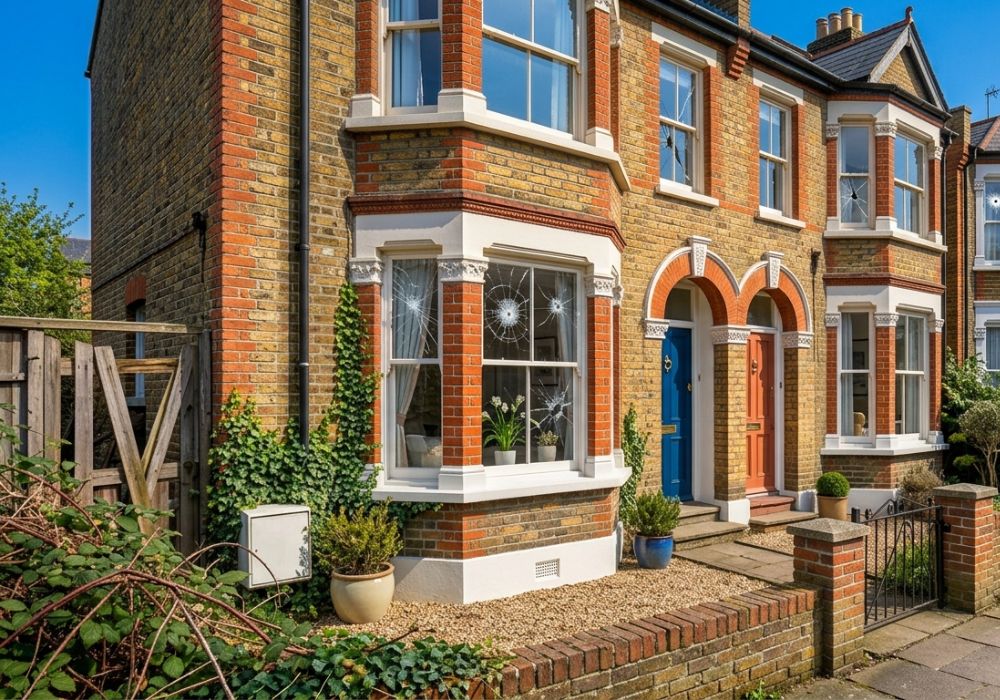
A vacant property can also become more vulnerable to security issues. With many people away on holiday and windows often left open for ventilation, empty homes can become an attractive target for opportunistic crime.
There is also the issue of unnoticed maintenance problems. A small leak, damaged fence panel or blocked gutter may not seem significant at first, but without someone living in the property, these issues can remain undetected for weeks or even months.
The Impact on Rental Income
Every week a property remains vacant is a week without rental income. While many landlords focus on achieving the highest possible rent, securing a quality contract holder quickly can often have a greater impact on annual returns than holding out for an extra £25 per month.
For example, a property standing empty for four weeks could easily lose more income than the annual benefit gained from a slightly higher rent.
How Landlords Can Reduce Void Periods
The best approach is always to plan ahead.
Marketing should begin as soon as notice is received, allowing viewings to take place before the property becomes vacant. Ensuring the property is clean, well-presented and competitively priced can significantly increase interest levels.
Simple tasks such as tidying gardens, carrying out minor repairs and refreshing decoration where needed can make a substantial difference to applicant perception.
A property generating rent is an asset. A property standing empty is a cost.
While winter risks often dominate discussions, summer void periods can be equally damaging if they are not managed properly. By taking proactive steps and planning ahead, landlords can minimise vacant periods and protect their investment returns throughout the year.